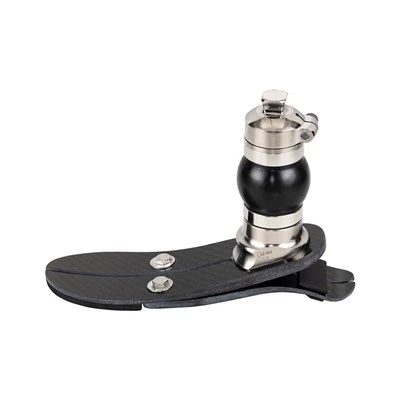


The socket for a knee-disarticulation prosthesis typically features a dual-layer design-a soft inner liner and a rigid outer shell-utilizing the bulbous end of the residual limb to bear body weight and provide suspension for the prosthesis. The knee mechanism often employs a specialized four-bar linkage design, which allows for a greater range of flexion and ensures a more natural, aesthetic appearance when the user is in a seated position.
Based on the technical principles of the knee mechanism, knee-disarticulation prostheses can be categorized into mechanical, hydraulic, pneumatic, and intelligent (microprocessor-controlled) types. Furthermore, they may also be classified according to factors such as the materials used, the intended age group, the specific usage environment, functional characteristics, and the degree of customization.