

Common materials for prosthetic liners include silicone, gel, and polyurethane, each with its own unique advantages and disadvantages. Selecting the appropriate material requires considering factors such as comfort, durability, and breathability.
Prosthetic liners are a vital component of a prosthesis; they come into direct contact with the residual limb, providing protection, comfort, and stability. The choice of material is crucial to the user's overall experience.
1. Silicone Liners
Silicone is a widely used material for prosthetic liners. It is soft and durable, offering excellent comfort and a secure fit. Silicone liners are easy to clean and are generally well-tolerated by sensitive skin.
2. Gel Liners
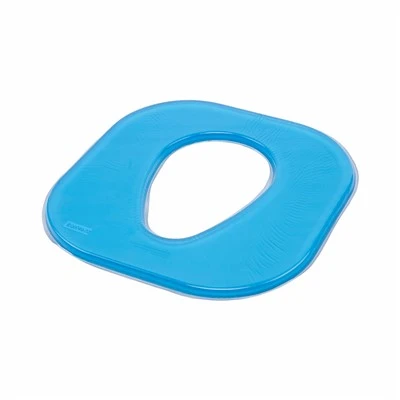
Gel liners represent a newer type of material that has gained popularity in recent years. Made from polymeric gel, they offer superior elasticity and shock-absorbing properties. Gel liners can adapt to the shape of the residual limb, providing enhanced stability and support. Furthermore, the gel material offers good breathability, which helps keep the skin dry.
3. Polyurethane Liners
Polyurethane is a high-performance material for prosthetic liners. It features exceptional wear resistance, tear resistance, and elasticity, allowing it to withstand significant pressure and friction. Polyurethane liners have a long service life and require relatively low maintenance.