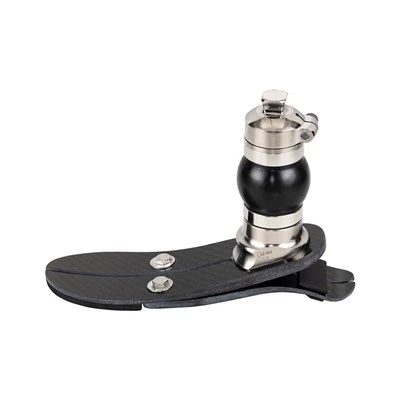


When evaluating whether a specific energy-storage prosthetic foot is suitable for a given user, consider the following dimensions:
First, activity level matching. A K3-rated foot is designed for moderate-intensity activities, such as walking outdoors or navigating inclines and declines. If a user's activity level is significantly lower or higher, a foot with a corresponding rating should be selected.
Second, body weight and load capacity. The product has a specified maximum load capacity of 147 kg; exceeding this limit may lead to degraded performance or structural damage. A reinforced, high-load version is available for users whose weight approaches this upper limit.
Third, environmental adaptability. A split-toe design generally performs better on uneven terrain-such as gravel paths or grassy areas-whereas a solid, full-foot design may offer greater stability on flat, even surfaces.
Fourth, maintenance and after-sales support. This product comes with a two-year warranty on core components and lifetime free adjustment services. It is important to note that the elasticity of the prosthetic foot may change over time; therefore, it should be inspected periodically by a professional to check for micro-cracks or delamination within the carbon fiber layers.
Understanding these dimensions helps translate technical specifications into realistic expectations for daily use, rather than relying solely on the material or brand when making a decision.