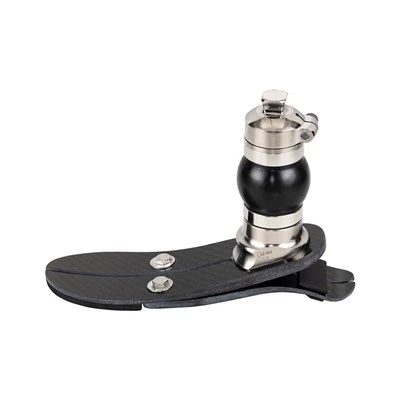


Generally speaking, mechanical prostheses are more affordable and suitable for users with limited budgets, whereas intelligent bionic prostheses offer advanced functionality but come at a higher price.
If your budget allows, an intelligent prosthesis can be a worthwhile investment to enhance daily convenience; if your budget is more constrained, a mechanical prosthesis offers better value for money while still meeting essential needs.
The typical lifespan of a prosthesis is about 3–5 years. However, maintenance costs vary significantly by type: intelligent bionic prostheses may require periodic replacement of batteries, sensors, or chips, while mechanical prostheses generally entail lower upkeep costs.
Therefore, it is advisable to inquire about long-term maintenance expenses before making a purchase, ensuring that future costs do not become an undue financial burden.
The fitting process is efficient-patients can typically try on their prosthesis within three days. With the addition of functional training, patients can generally achieve comfortable, independent walking within 10 days for above-knee amputations or 7 days for below-knee amputations. We believe this can be of significant help to patients.