

The visual realism of a device depends primarily on its external decorative materials and the design of its joint contours. Common decorative materials currently in use include foam coverings and realistic silicone "skin." Silicone skin offers a closer resemblance to human skin in terms of color, texture, and fine detail, though it comes at a higher cost; foam coverings, by contrast, are lightweight but feature a simpler appearance.
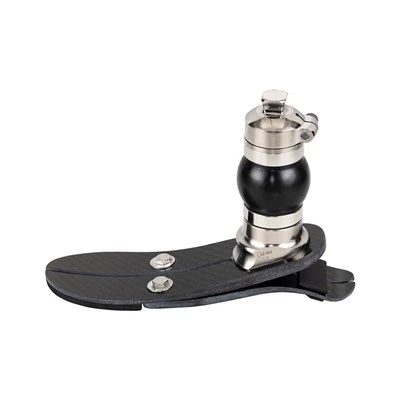
The appearance of the joints themselves also varies. Mechanical joints tend to be bulkier with distinct, pronounced contours, whereas hydraulic joints feature more compact designs. "Smart" joints-which incorporate sensors and batteries-are somewhat larger in size, though their overall form is increasingly evolving to resemble standard mechanical structures.