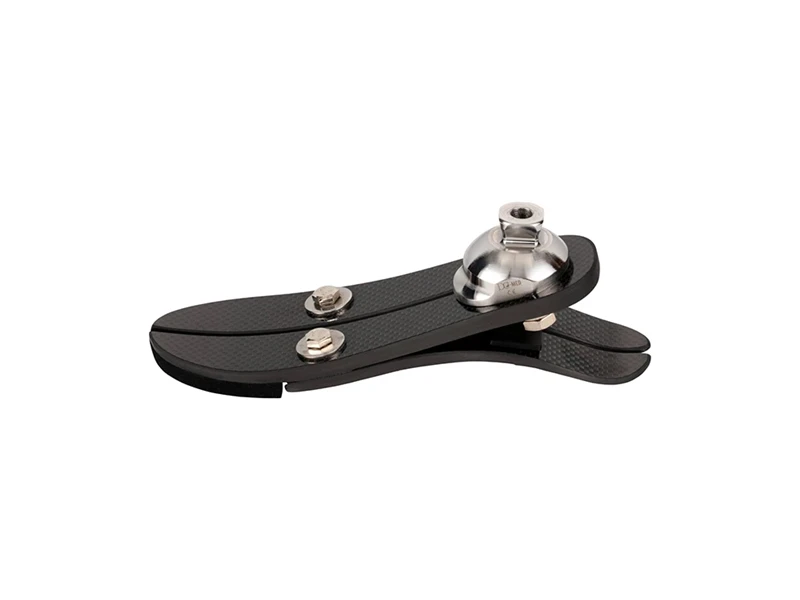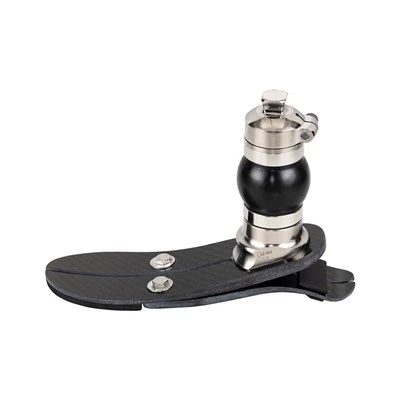


Differences among various energy-storing prosthetic feet are primarily reflected in three dimensions: energy return efficiency, shock-absorption characteristics, and the range of body weights they can accommodate. The CF-E41 is notable for its high level of shock absorption; its carbon-fiber structure is designed to absorb more impact energy during deformation, thereby reducing the vibrations transmitted to the residual limb. For users with pressure-sensitive conditions-such as those with diabetic foot-this design helps lower the risk of skin damage.
Furthermore, the CF-E41 has a maximum weight capacity of 147 kg and offers a reinforced, high-load version. This indicates that its internal structure has been strengthened-typically by increasing the number of carbon-fiber layers or adjusting the orientation of the fiber layups-to better support heavier users. In contrast, prosthetic feet with lower weight capacities may experience a loss of elasticity or even structural failure if subjected to loads beyond their specified limits.
Additionally, these energy-storing feet weigh approximately 350 to 420 grams-a range considered relatively light for this category of product-which helps reduce the energy expenditure required for walking. However, it is important to note that "lighter" does not always mean "better." A prosthetic foot that is too light may lack sufficient inertia, potentially disrupting the natural swing rhythm of the user's gait. Consequently, the design must strike a careful balance between minimizing weight and maintaining an adequate dynamic response.